Connected equipment and sensing
Sensors, machine interfaces, readers and field devices selected around the condition, event or movement that needs a reliable record.
TechnoBeez connects machines, sensors and field devices to the trusted records, alerts and enterprise systems your operation already depends on.
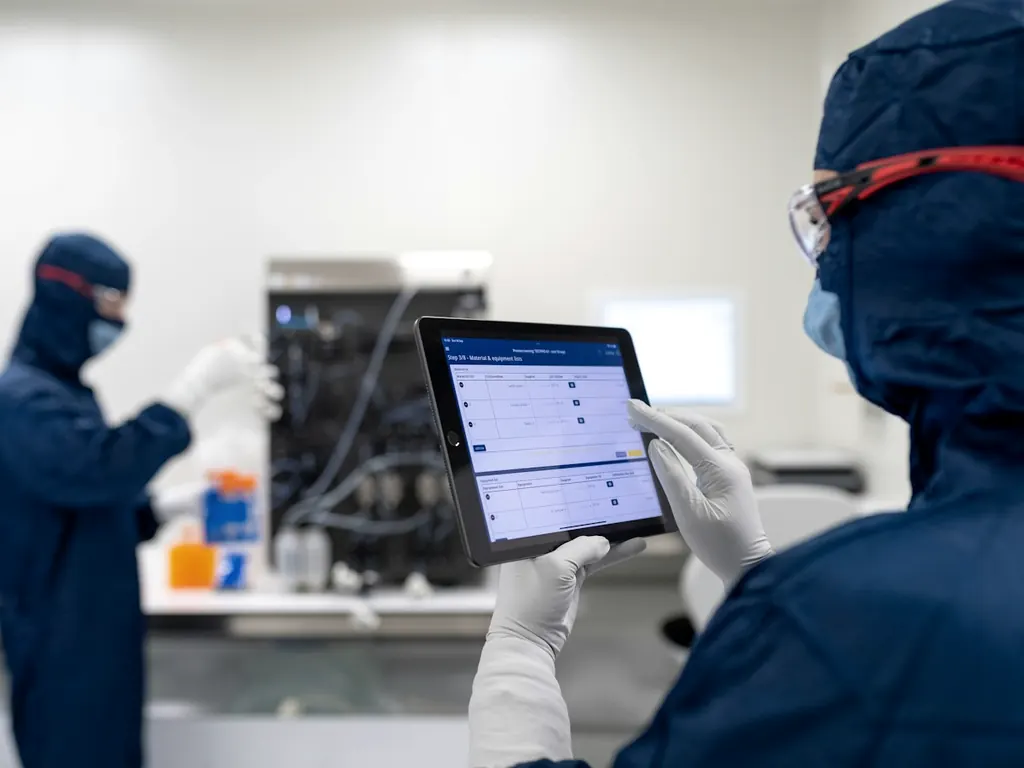
We engineer the path from a physical condition or equipment event to a reliable record that the right person or system can use.
Industrial IoT gives teams a dependable view of equipment, process and environmental conditions that are otherwise checked late, written down manually or missed altogether.
The useful outcome is not a connected device or a dashboard. It is a trusted signal that can trigger attention, update a system or help a team act before the operational impact grows.
The exact architecture changes with the site, equipment and required action. These are the practical layers we take responsibility for.
Sensors, machine interfaces, readers and field devices selected around the condition, event or movement that needs a reliable record.
Gateways, local processing and industrial communications that make site data dependable before it leaves the operating environment.
Filtering, rules and role-relevant alerts that turn raw readings into an event a team can understand and use.
Structured events delivered to ERP, WMS, MES, dashboards or custom workflows without making teams re-enter the same information.
A well-designed IIoT system replaces delayed checks and isolated readings with timely operational evidence.
Industrial IoT only has value when the signal becomes a decision the operation can trust.
Capture the right event, add the right context, and make it available where work is being managed.
Bring temperature, status, pressure, energy or equipment exceptions to attention while there is still time to respond.
Capture time-stamped evidence directly from the source instead of relying on delayed manual updates.
Give maintenance teams meaningful condition and usage data for the assets that need attention most.
Move useful equipment and process events into the workflows and enterprise systems already used by the business.
Industrial IoT is useful where a physical condition or equipment event must become a dependable operational record.
Track operating state, temperature, vibration, runtime or other signals that help teams intervene before avoidable downtime.
Capture machine and process events so supervisors can see what is running, waiting, complete or outside the expected condition.
Monitor temperature, humidity, energy, utilities and site conditions where exceptions affect quality, compliance or cost.
Combine RFID, sensor and equipment events to give material, vehicles and assets a clearer operational history.
We identify the condition, event or decision that needs better evidence, then assess the equipment, site, connectivity and existing systems around it.
We test sensing, collection, communications, data quality and the rule or integration that makes the event useful to the operation.
We commission the system, connect it to the required workflow, train the team and support it as the operation changes.
It may include sensing or machine connectivity, edge collection, reliable communications, event rules, alerts and integration with the systems that need the data. The final design depends on the operation and environment.
Often, yes. We assess available interfaces, industrial protocols, network constraints, safety and the operational purpose of the data before defining the connection.
A dashboard shows information. An IIoT system is designed to collect dependable field data, decide which events matter and connect them to the action, alert or business system that needs them.
Yes. RFID can provide identity and movement events while sensors and machines provide condition or process events. We can connect those records with compatible ERP, WMS, MES and custom operational systems.
Tell us what needs better visibility, faster response or a dependable record. We will help define the practical IIoT system around the operation.
Discuss Your Operation